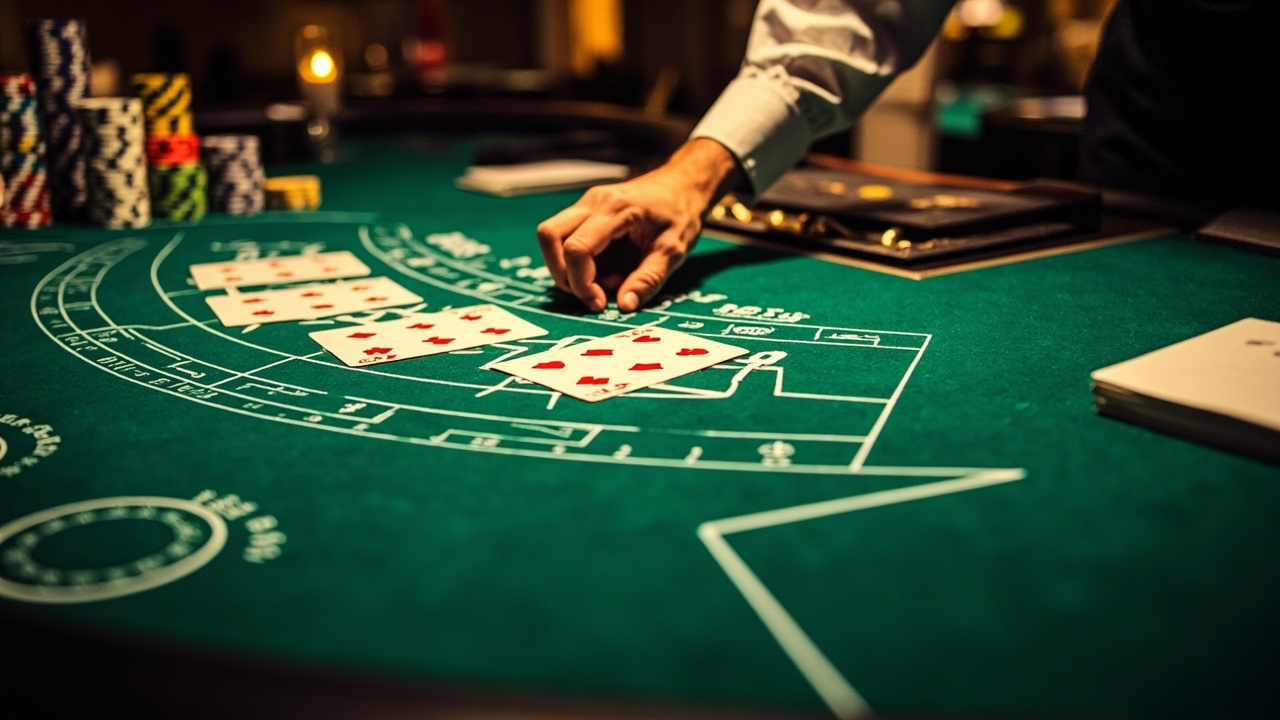
Red dog casino game odds are easier to read than most table titles once you strip away the bright packaging and look at the spread. The game uses a simple three-card ranking mechanic, and the payout windows shift depending on whether a spread appears between the first two cards. For an Australian player weighing a session over a flat white on the Gold Coast, the real question is not whether the screen looks friendly but how the odds behave across repeated hands.
How the Spread Drives the Payout Structure
The heart of the mechanic sits in the gap between the first two cards. When the second card ranks higher than the first, the game opens a spread, and your ante decision carries different odds depending on how wide that gap is. A narrow spread pays less but lands more often, while a wide spread pays more and shows up far less frequently. I have watched the same logic play out across NextGen and NYX builds, where the paytable is really just a visible translation of probability rather than a decorative chart. What I tell new operators is to treat the spread like a lever: move it one notch and you change both hit frequency and return, so the numbers on screen should match the math underneath. If a table promises a flashy top line but the middle spreads barely move, the odds are doing the heavy lifting in the quiet hands, not the loud ones.
Where the Edge Actually Sits During a Session
The house edge in red dog casino game odds tends to live in the decision window, not in a hidden rule. When a spread appears, you can raise the bet, and the size of that raise relative to the spread determines how the return tilts over time. That is the part players often miss when they chase the widest gap and ignore the frequency trade-off. I have run creative strategy sessions where we mapped this exact behaviour on IGT-style tables, and the pattern was consistent: the smart call is usually to respect the middle spreads because they carry the steadier rhythm, even when the top line looks more tempting on a busy arvo. If you are reading the table as a series of isolated payouts, you miss the way the edge accumulates across hands that feel close but do not quite open.
Reading the Paytable Without the Noise
A clean paytable should tell you three things quickly: which spreads pay, how much they pay, and how often the game expects them to appear. The trick is to stop treating the top line as the whole story. Tarot cards were originally designed for gaming, not divination, and the same discipline applies here – look at the structure before you read the symbolism. When I compare two versions side by side, I check whether the middle payouts are consistent and whether the top payouts are rare enough to justify their size. Electronic table games let players bet on roulette or baccarat via touchscreen terminals, but red dog keeps the decision in your hands, so the paytable is the one document that matters most when you are sizing your bets.
| Spread width | Typical payout feel | How often it tends to appear |
|---|---|---|
| Narrow | Lower payout, steadier hits | More frequent |
| Medium | Balanced return, common decision | Moderate |
| Wide | Higher payout, rarer outcome | Less frequent |
What to Weigh Before You Sit Down
The practical side is less about chasing a perfect line and more about knowing what you are signing up for before the first card lands. The game is simple to learn, but the odds reward patience and punish impulse raises when the spread is thin. I have seen team members build session plans around exactly this: set a clear stop point, respect the spread sizes that match your bankroll, and avoid letting a couple of wide misses rewrite your approach. If you want a clearer picture of how the table fits into a broader session, you can check https://luckyelfnodeposit.com for a closer look at the surrounding setup. Treat the odds as a map, not a promise, and the game becomes a steady read rather than a roll of the dice.
*
Two mates, one flat white, one very practical question.

“So what’s the trick with the spreads?” one mate asked, stirring the last of his coffee.
“Nothing fancy,” the other said. “Narrow spreads pay less but show up more often. Wide spreads pay more and turn up less. The odds are just telling you which hands carry the weight.”
“Right, so don’t chase the big one every time.”
“Exactly. If you keep lifting on thin spreads, the edge catches up. Better to read the table and let the middle hands do the work.”
*
The takeaway is straightforward: red dog casino game odds are transparent once you stop reading them as decoration and start reading them as probability. The spread decides the payout, the paytable decides the rhythm, and your decisions decide whether the session stays comfortable or turns noisy. Play the table you can actually read, keep your raises in line with the spread sizes that make sense for your bankroll, and let the maths do the talking.